
The Evidence Window: ANPR, Video and the Claims That Outlive Them
Gate disputes are won or lost on records that may already be gone. This audit covers retention, chain of custody and lawful access for ANPR and video at port-centric sites.
Category
9 articles
Gate disputes are won or lost on records that may already be gone. This audit covers retention, chain of custody and lawful access for ANPR and video at port-centric sites.

A preferential origin claim is asserted at the customs entry but evidenced in the file. This 2026 audit examines how port-centric warehouses hold, index and reconcile supplier declarations and origin records against inbound receipts and outbound orders — and where the gaps usually sit.
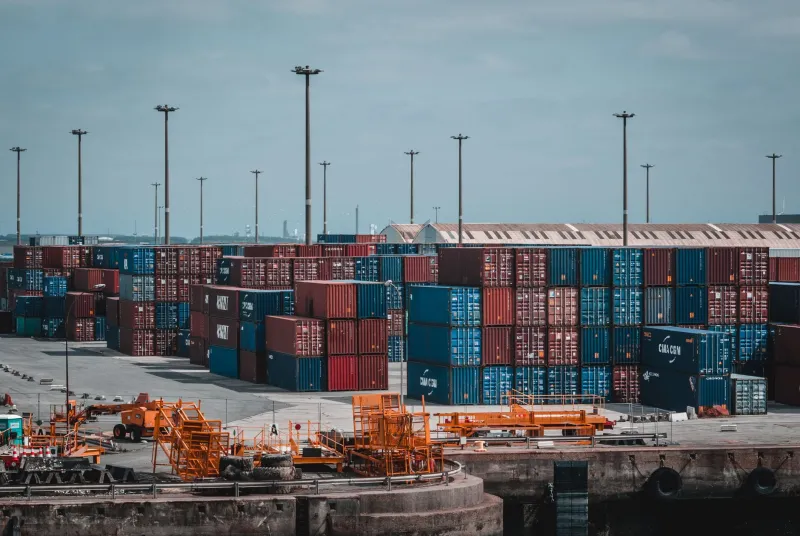
Customs brokerage is a capacity-constrained operational service, not an administrative afterthought. This audit helps UK shippers and port-centric warehouse teams test declaration throughput, document readiness, escalation and fallback cover before peak volumes expose the gap.

Duty and VAT suspension can release working capital, but bonded warehousing is an operating model rather than a label. This review sets out how port-centric operators should test eligibility, design compliant zones and avoid the record-keeping failures that convert a cash-flow gain into a customs liability.
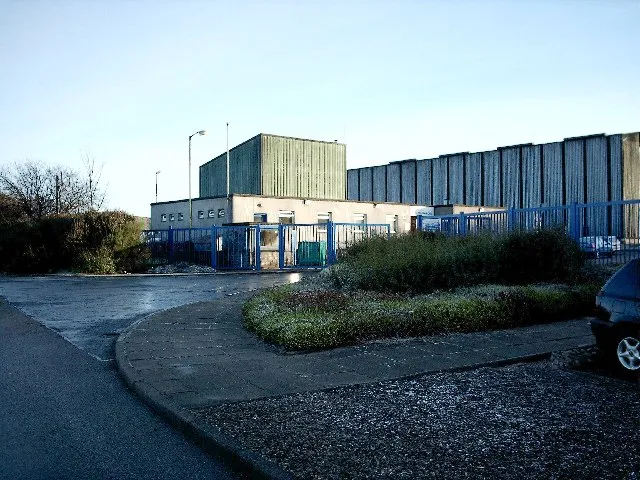
Throughput often fails at the gatehouse before freight reaches the racking. This step-by-step audit covers arrival profiles, paperwork cut-off points, lane discipline and escalation codes for UK port-centric shippers and warehouse operators in 2026.
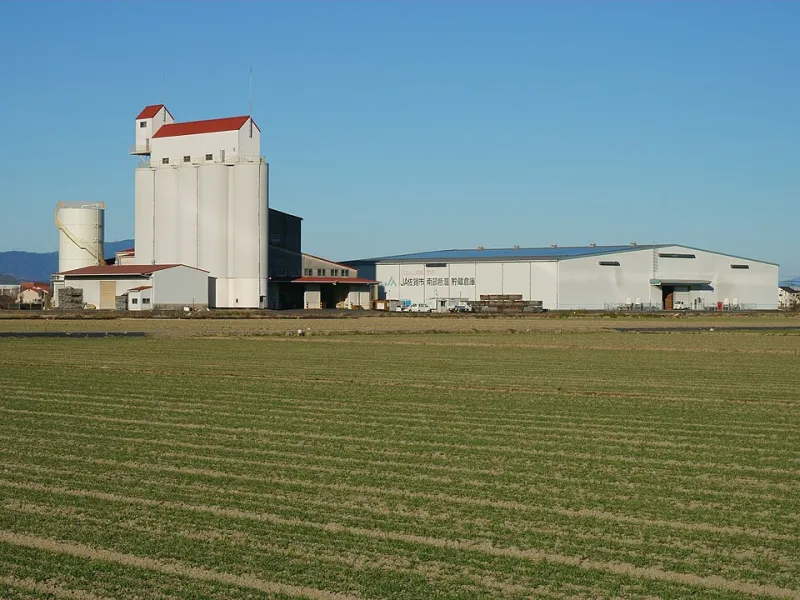
Perishable food and pharmaceutical volumes through UK ports are rising, but much of the cold storage serving them began life as ambient shed. This audit framework examines envelope integrity, refrigeration redundancy, monitoring evidence and the customs and compliance layer that port locations make unavoidable.
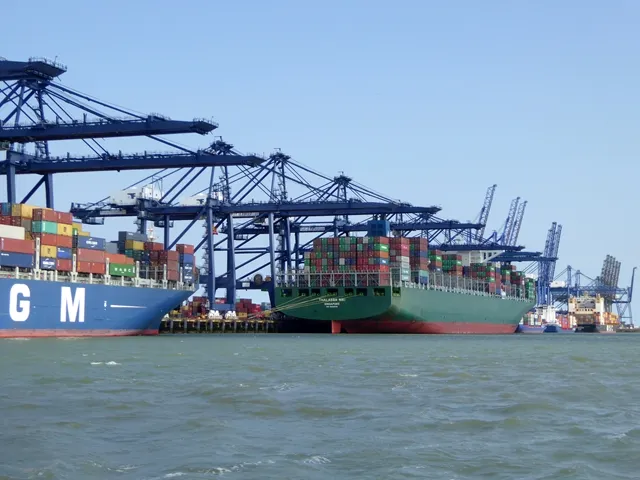
Storm closures, fog, industrial action and cyber incidents can strand stock, labour and customs paperwork at short notice. This 2026 playbook sets out the pre-agreed routes, holding capacity and communication discipline that port-centric warehouses need before the next disruption.
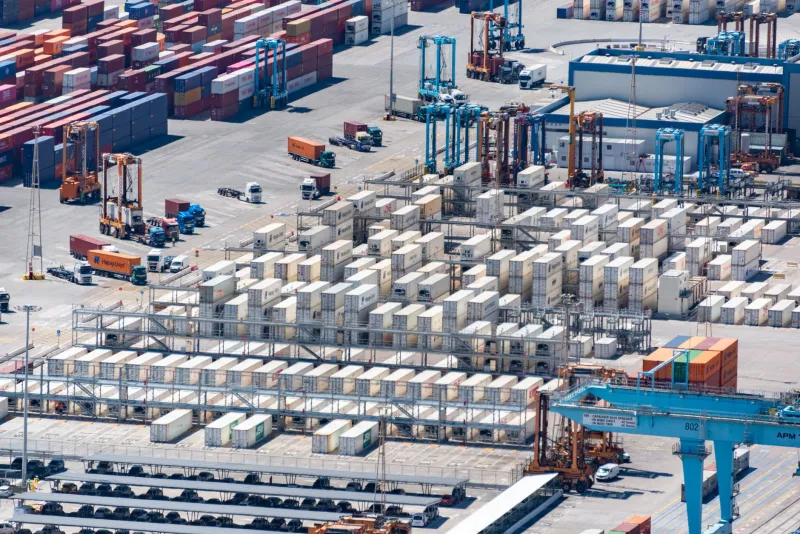
Demurrage and detention are often treated as unavoidable port costs. In many UK port-centric operations they are designed in through warehouse layout, appointment rules and late customs handoffs. This operational argument sets out the fixes.

A UK freeport can reduce duty exposure and simplify some customs flows, but it is not a substitute for network design. This checklist helps shippers test customs treatment, rent, labour, port access, inland distribution and exit flexibility before a freeport warehouse is allowed into the 2026 supply-chain plan.